For a chest or back exercise to work the target muscle, first set the direction of your elbows, let your wrists rotate freely, and pause where the muscle contracts the hardest. An incline press with poorly placed elbows mostly loads the shoulders or triceps, and a pull led by the hands tires the arms first. The bench angle and the load are chosen only once these settings are found.
Three levers to set before you load up
On upper body pushing and pulling exercises, three parameters decide which muscle gets the work: the direction your elbows travel, the freedom you give your wrists, and the point in the range where you pause. As long as they are set wrong, adding plates mostly loads the muscles that are compensating.
Run these tests with a lighter load and a slow descent. Change the direction of your elbows, then your wrist position, until you clearly feel the target muscle contract. Only bring the load back up once you find that sensation again on every rep.
Incline press: place your elbows before choosing the angle
The pectoralis major attaches to the humerus. It works when the arm moves toward the torso along the direction of its fibers. If your triceps give out first, your elbows are probably tucked too close to your body. If the front of your shoulder is burning, they are flared too wide and your front delts take over.
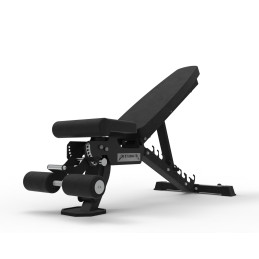
There is no incline that works for everyone: your arm length, the shape of your rib cage and the structure of your shoulders all change the right setting. First find the elbow position that works the upper and middle chest, then test several inclines while keeping it. With its 12 backrest positions, the Zero Gap+ bench lets you compare 15°, 30° and 45° in the same session.
Dips: shift the work to the chest
Set up at random, dips mostly hit the triceps. Here is how to steer them toward the chest, phase by phase:
Position: feet slightly forward, torso leaning forward and braced.
Descent: let your elbows flare and lower under control to stretch the chest, without dropping at the bottom.
Ascent: stop at three quarters, before your arms lock out, as soon as you feel the triceps taking over. The tension then stays on the chest.
Added weight: add a dip belt only once you own this position at bodyweight.
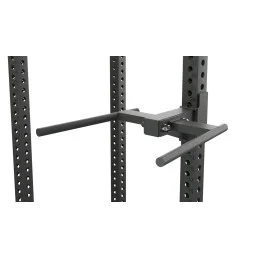
Dip bars mounted on a rack like the CS-1 give you a fixed, stable width, so you can find exactly the same position from one set to the next.
Pulldowns and rows: work the back rather than the arms
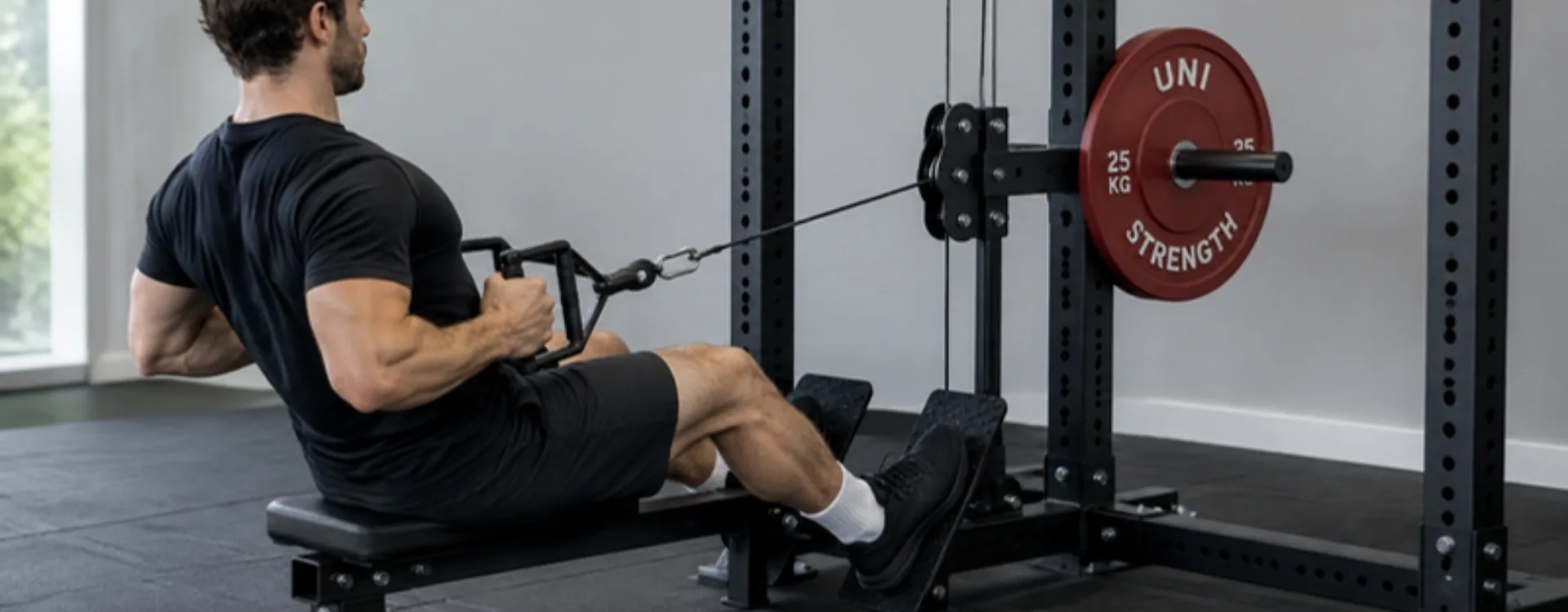
On pulldowns as on rows, first lock in your torso, then drive your elbows along your body, down and behind your torso. Your hands just hold the handle: it is the direction of your elbows that decides whether your lats take the work. At the top of the movement, do not let your shoulders creep up toward your ears. At the bottom, hold a brief pause squeezing your lats before letting the weight return.
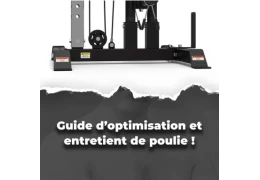
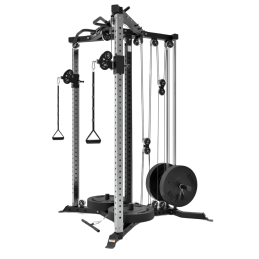
A guided cable machine, like the CS-1 high and low pulley (90 kg weight stack, 1:1 ratio) or an Athéna station, ensures a consistent vertical path and a controlled return of the weight.
Grip and wrists: let your hand find its angle
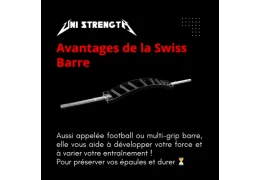
A supinated grip (palms facing you) or a neutral grip (palms facing each other) puts the shoulder in external rotation, which helps many lifters pull with their elbows. On the other hand, a fixed straight bar forces your wrist into a single angle and can create joint stress. Independent, rotating handles adapt to your joints instead of constraining them: each hand takes the angle that suits it and your attention stays on your elbows.
Deadlift: useful for strength, not always for back size
The deadlift remains an excellent strength exercise. For building a bigger back, it has a limit: your lower back often tires before your lats and mid back have received enough work. These variations give you intense contractions while removing that limiting factor:
cable rows in long sets;
controlled pulldowns;
chest supported rows, on a dedicated support or a bench inclined at 30°;
rows that restart from a dead stop on the floor on every rep;
stiff-legged deadlift into row combo.
To sort your exercises, look at what is fatigued at the end of the set: if it is mostly your lower back and not the target muscle, switch variations.
When fear of injury cuts the set short
After a pec injury, the body often puts on the brakes before the muscle is truly spent: the set ends out of caution, not fatigue. In that case, choose a more modest load and flawless technique, and look for intensity at the end of the set rather than in the weight. That way you get close to muscular failure without triggering this protective reflex. After a serious injury, return to training under the guidance of a healthcare professional.
What you feel, and how to fix it
Sensation
Likely cause
Fix
Front of the shoulders burning on the incline press
Elbows flared too wide
Bring your elbows in slightly until you feel your chest
Triceps giving out before the chest on the press
Elbows tucked too tight
Move them out a little from your torso
Triceps finishing every rep of your dips
Full lockout at the top
Stop at three quarters of the way up
Arms tired before the back on the pulldown
Pull led by the hands
Think elbows down and back, shoulders low, squeezed pause at the bottom
Lower back tired before the back on rows
Torso swinging
Chest supported, dead stop on the floor, straps if needed
Wrist or elbow discomfort on the cable pulley
Fixed straight bar
Independent, rotating handles
The equipment that makes these adjustments easier
An adjustable bench with many positions, to compare inclines on the press without changing exercises.
A rack with dip bars, plus a dip belt to progress.
A high and low pulley (CS-1 pulley or Athéna station), fitted with rotating handles for pulls.
A chest supported row stand, or failing that a bench inclined at 30°, to take load off your lower back.
The Uni Strength equipment to apply these cues
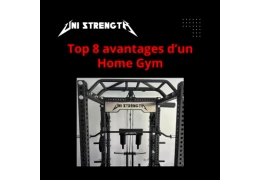
Height-adjustable pulleys to set your elbows at the right angle, an adjustable bench for the incline press, dip bars and a T-bar holder: the equipment that makes these cues possible at home.
Mounts on a 60 x 60 mm Athena upright, for a straight or Olympic bar
49,99 €
Prices incl. VAT as of 8 October 2026. Free delivery from €300 excl. VAT in mainland France, instalment payment available. For advice on your home gym setup, write to [email protected] or call +33 4 83 39 67 96.
Do you need an incline bench to build your upper chest?
The incline helps, but it is not enough. Set your elbows first: too tucked, your triceps work instead of your chest; too flared, your shoulders do. Choose the backrest angle afterward.
Why can't I feel my lats on the pulldown?
Most often, you are pulling with your hands. Lock your torso in place, drive your elbows down and back, keep your shoulders low, and hold a squeezed pause at the bottom of every rep.
Is the deadlift essential for building your back?
No. It builds strength, but for back size, chest supported rows, rows with a dead stop on the floor and controlled pulldowns give stronger contractions without exhausting your lower back.
Straight bar or handles on the cable pulley?
Independent or rotating handles: they follow the natural rotation of your wrist and reduce joint stress compared with a fixed straight bar.