Incline benches – the basic tool for complete, structured strength training
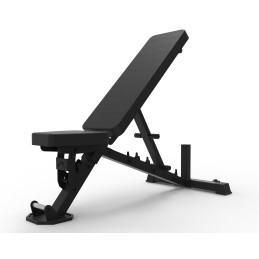
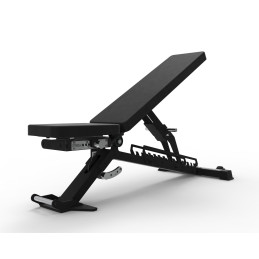
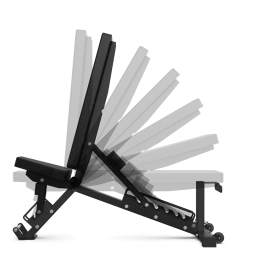
The incline bench is much more than a simple training support: it is a cornerstone of progress for any lifter who wants to vary working angles, optimise muscle recruitment and improve movement stability. Thanks to its multiple positions (incline, flat, decline), it lets you target different areas of the same muscle group, while bringing comfort and safety to every rep.
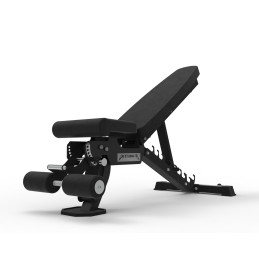
Used for the upper body as well as the legs with the right accessories, a good incline bench lets you go from an incline press to a row, from a seated curl to a leg extension, without changing station. It is a strategic choice for building a complete, effective home gym.
Exercises and muscles worked with an incline bench
| Exercise |
Target muscle groups |
| Incline dumbbell press |
Upper chest, shoulders, triceps |
| Incline row |
Lats, rear delts, biceps |
| Incline seated curl |
Biceps, forearms, core |
| Leg extension / leg curl (with accessory) |
Quadriceps, hamstrings, glutes |
Advantages of a Uni Strength incline bench
-
Maximum versatility thanks to adjustable angles: incline, flat and decline
-
Targeted muscle recruitment depending on the chosen incline
-
Optimised comfort: wide backrest, suitable foam density, reinforced stability
-
Compatible with many accessories for complete leg work
-
Suitable for all levels: beginners, intermediate lifters, athletes
-
Sturdy UniStrength construction, built to last
What is the point of a weight bench?
A weight bench lets you perform a wide variety of exercises safely, with good body positioning. It improves stability, allows targeted work of the muscles (chest, back, arms, legs) and optimises progress, whether with dumbbells, a barbell or a pulley. It is a basic piece of equipment for structuring complete training at home or in the gym.
Why add an incline bench to your home gym
Adding an incline bench to your home gym means choosing scalable, functional and smart equipment. By multiplying working angles, it considerably widens the range of available exercises without adding machines. It is also a stability tool: properly adjusted, it helps you position yourself better, reduce the risk of injury and focus the effort on the right muscles. Versatile, compact and durable, the incline bench is an essential investment for training effectively at home.
Frequently asked questions about adjustable benches
Which incline bench should I choose: UF-2, UF-4, UF-5 Plus or Zero Gap+?
UF-2: the sturdiest (750 kg, 7 back positions from 0 to 85°, 3 seat positions, wheels). UF-4: 3-in-1 decline, flat and incline (500 kg, 9 back positions, 7 seat positions). UF-5 Plus: 6 positions from 0 to 88°, 3 seat positions, 500 kg, vertical storage and 20-minute assembly. Zero Gap+: 12 back positions, 5 seat positions, 11-gauge steel, no gap between seat and back pad.
What is a zero-gap bench?
A bench whose seat and back pad meet with no gap at every angle. The pelvis stays supported, which stabilises the incline press and removes the hollow under the lower back felt on classic benches.
Can I do decline presses?
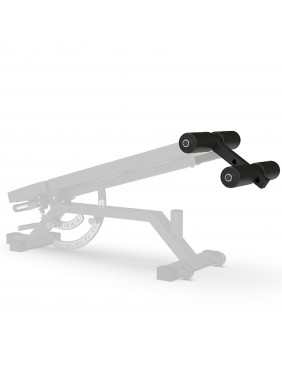
Yes: the UF-4 declines natively. For the Zero Gap+ and the UF-5 Plus, the UF decline attachment locks the legs and turns the bench into a decline bench for abs and decline presses.
Can I train legs on an incline bench?
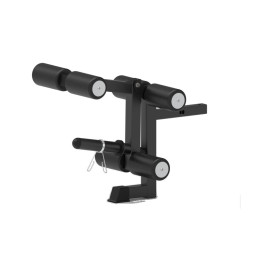
Yes with the leg curl / leg extension attachment, compatible with the Zero Gap and Zero Gap+ benches: it targets hamstrings and quads without a dedicated machine.
What is the Wide XL pad for, and how do I store the bench?
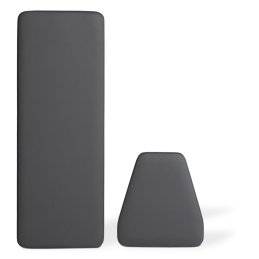
The Wide XL back and seat pads are 35 cm wide instead of the standard 25 to 30 cm, for better shoulder support; available for the UF-5 and the Zero Gap+. The UF-5 Plus stores vertically; the UF-2, UF-4 and Zero Gap+ have a handle and wheels to move them.
Our guides: the best weight bench in 2026, what are the types of weight benches?, building a bench press arch, why commercial gym benches hold back your progress