Traditional vs Reverse Resistance Bands
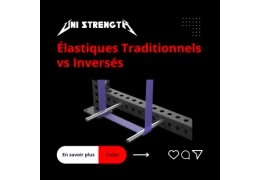
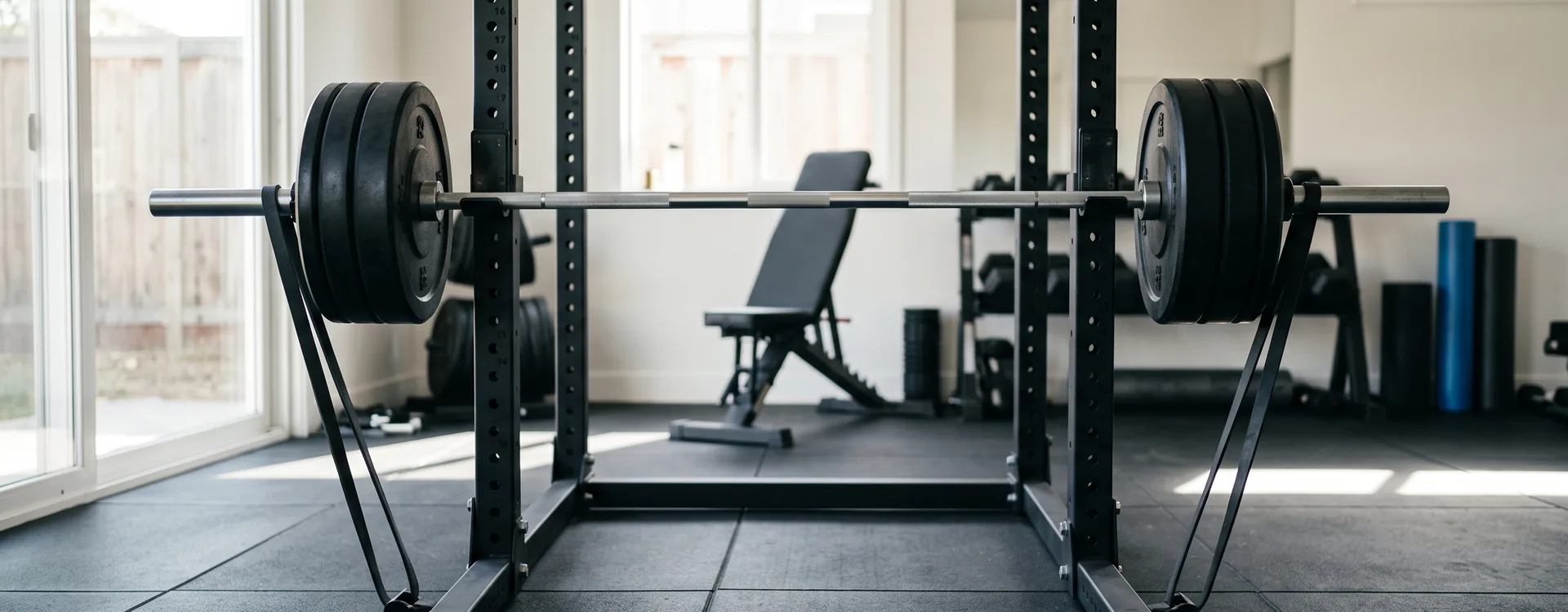
In short. Reverse bands, hung from the rack, give vertical assistance at the bottom of the lift: stability, control and easy unracking for heavy lifts and powerlifting. Traditional bands, anchored from below, add resistance at the top and suit speed and explosive work.
Both methods are effective and have the same goal: to modify the resistance curve to relieve the bottom of the movement and increase resistance at the end of the movement.
At Uni Strength, we know that details make all the difference, especially when it comes to optimizing your workout efficiency. Today, we explore the nuances between using traditional bands and reverse bands.
1. Stability:
Using free weights is more stable at the end of the movement, such as for the squat. However, reverse bands offer valuable assistance in stabilizing the movement during the descent, thanks to their alignment with gravity. This feature makes them particularly suitable for squats, where stability is paramount.
2. Unracking
Reverse bands lend themselves to easy installation in a squat rack, ensuring increased safety and practicality compared to traditional bands. The latter, fixed from bottom to top, can complicate the unracking of the bar and pose a risk by pulling the athlete in unexpected directions.
3. Explosive Movements
For training focused on explosiveness, such as those for fighters or throwers, the traditional band setup is preferable. The exponential resistance they provide is ideal for developing the power needed for these disciplines.
4. Powerlifting
Athletes using a strength shirt will benefit more from reverse bands. The resistance curve they offer is closer to that produced by the shirt, thus optimizing the transfer of gains to athletic performance.
Summary
The application of resistance bands must be thoughtful and adapted to each exercise. For example, their use during pull-ups is less relevant if the goal is hypertrophy, as it lightens the lower part of the movement, which is most conducive to hypertrophy.
The goal is to improve the resistance curve of the exercise for movements like the squat, bench press, or leg press, taking into account the stimulus/fatigue ratio. It is about minimizing stress on the joints, such as the shoulders during bench presses, without inducing excessive fatigue.
At Uni Strength, we encourage you to experiment and understand the subtleties of each method to get the most out of your training. Whether you are looking to improve your stability, power, or optimize your training with a strength shirt, the choice between traditional and reverse bands can be an additional tool to break a plateau.
To go further in the shop: Training accessories, Squat racks and power racks, Olympic bars. Also worth reading: how to choose your resistance bands.
The equipment for both setups
| Use | Equipment | Key figure |
|---|---|---|
| Single bands, for either setup | Resistance bands | 7 sizes, resistance from 2 to 100 kg |
| Every resistance at once | Set of 7 resistance bands | 7 resistance levels, up to 100 kg for the strongest |
| Attaching the bands to the rack | CS-1 band pegs | set of 4, fitted to the 75 x 75 mm uprights of the CS-1 |
| Heavy squats and bench press in the rack | CS-1 power rack 204 cm, complete pack | 800 kg maximum load, safety straps and J-cups included |
Specifications taken from the product pages on 9 October 2026.
Frequently asked questions
Traditional or reverse bands: what is the difference?
Both change the resistance curve, but traditional bands (anchored below) add resistance at the top of the movement, whereas reverse bands (hung from the rack) lighten the bottom and provide vertical assistance.
When should you prefer reverse bands?
For heavy rack movements (squat, bench press) where stability, safety and easy unracking matter, and for equipped powerlifting, whose resistance curve they reproduce.
When should you prefer traditional bands?
For speed and explosiveness (combat sports, athletics, cross-training) thanks to their exponential resistance at the end of the movement.