Leg Training: How to Have a Successful Session
Leg strength training is a key element of balanced training. Strong legs not only improve sporting performance, but also contribute to better posture and injury prevention.
Working the legs involves the use of different equipment to optimize results and ensure a varied and effective workout.
In short
- Start with a warm-up: light cardio (bike, skipping rope), then bodyweight squats and lunges.
- Compound exercises: barbell squat, Romanian deadlift, leg press, Bulgarian split squat and hip thrust; isolation: leg extension and calf raises.
- Increase loads gradually while keeping good technique.
- Allow at least 48 hours of recovery between two leg sessions.
Why work the legs?
Strengthening the legs is fundamental to developing power, endurance and stability. This muscle work improves posture, reducing the risk of injury, while helping to increase metabolism by activating major muscle groups such as the quadriceps, hamstrings and glutes. In addition to the muscular benefits, leg training plays an essential role in cardiovascular strengthening and blood circulation.
Muscles involved and their importance
The legs are made up of a number of muscle groups involved in various movements:
- Quadriceps: Muscles at the front of the thigh, responsible for knee extension and postural support.
- Hamstrings: Muscles at the back of the thigh, involved in knee flexion and hip extension.
- Glutes: Comprising the gluteus maximus, medius and minimus, these muscles stabilize the pelvis and propel the body.
- Calves: Muscles involved in balance and plantar flexion.
- Adductors and abductors: Located on the inner and outer thighs, they control lateral movements.
Equipment for optimal training
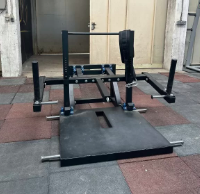
Using the right equipment intensifies effort and effectively targets each muscle. Here's a list of frequently used equipment for leg training:
|
Equipment |
Use |
Suitable exercises |
|
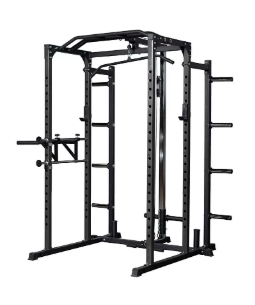
Secures squat and weight-bearing movements |
Squat with bar, lunges with bar |
|
|
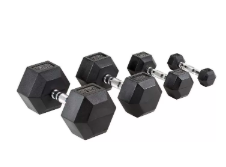
Provide a free load to promote muscular balance |
Walking lunges, step-ups, goblet squats |
|
|
Used for dynamic, functional work |
Goblet squat, swings, sumo deadlift |
|
|
Efficient posterior chain strengthening |
GHD sit-ups, leg raises |
|
|
Lower body training |
Bel squat |
|
|
Add progressive tension to movements |
Elastic squat, lateral lunges |
|
|
Allows you to perform a variety of strengthening exercises |
Hip thrust, glutes |


How to ensure a successful leg workout
Before starting a leg workout, a proper warm-up is essential. This includes light cardio such as cycling or skipping rope, as well as muscle-activating movements such as unloaded squats or lunges.
Main workout
The workout is divided into core exercises to build strength and isolation exercises to target specific muscles.
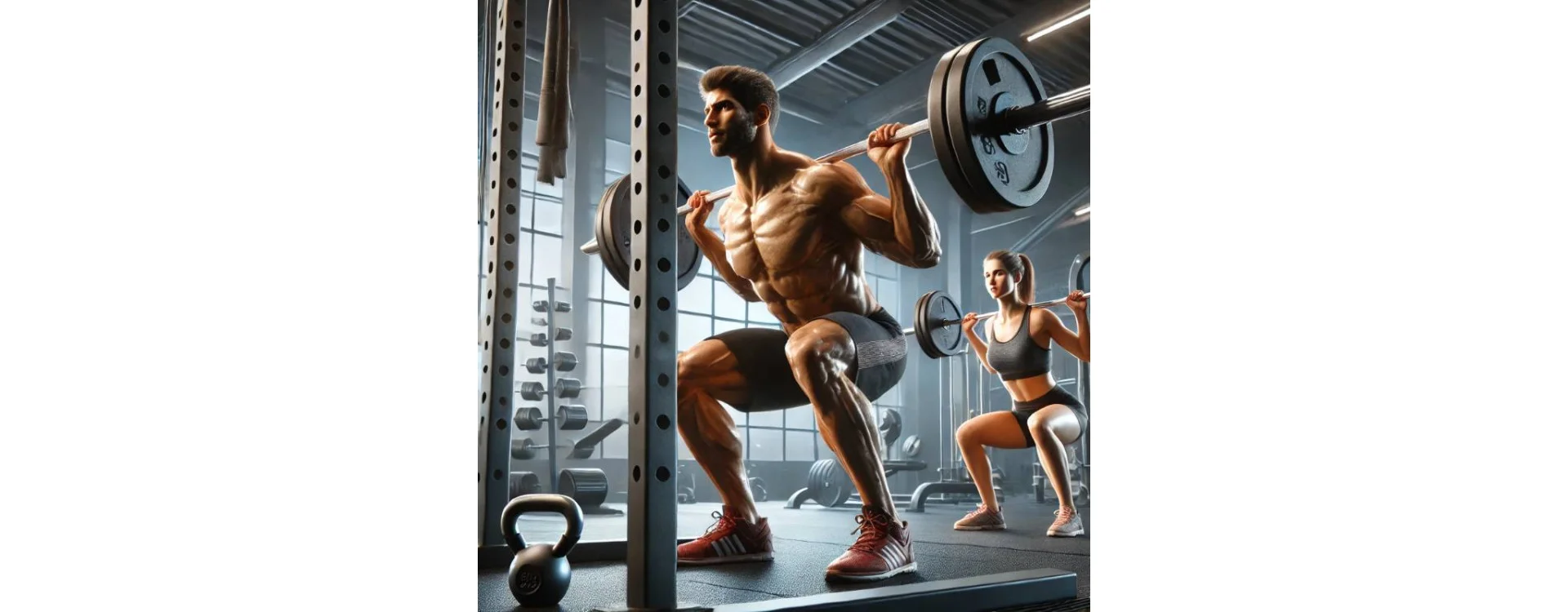
- Squat with bar (Squat rack, Olympic bar) - Fundamental for working all leg muscles.
- Romanian deadlift (Olympic bar, dumbbells) - Excellent activation of hamstrings and glutes.
- Leg press (Press machine) - Allows you to work with heavy loads in complete safety.
- Bulgarian lunges (Dumbbells, weight bench) - Intensely stimulates the quadriceps and glutes.
- Hip thrust (Bench, Olympic bar or dumbbells) - Ideal for maximizing gluteal development.
- Leg extension (Leg extension machine) - Directly targets the quadriceps.
- Calf raises (Calf machine, dumbbells) - Strengthens calves and improves stability.
End of session and stretching
To promote recovery and reduce muscle soreness, we recommend dynamic stretching followed by static exercises. Joint mobility work on the hips and knees is also beneficial to prevent injury.
Optimizing results
To maximize the program's effectiveness, we recommend gradually increasing loads while maintaining good technique. A diet rich in protein and carbohydrates is essential to promote muscle recovery and growth. Rest also plays a key role: a minimum 48-hour recovery period between two leg workouts is recommended.
Regular incorporation of new exercises and variation of equipment help maintain constant progress. For example, the kettlebell swing can be introduced to improve explosiveness and movement control.
Adopting a complete and varied approach to leg training is essential for developing strength, endurance and stability. By using the right equipment and following a structured program, it is possible to achieve optimum results while minimizing the risk of injury. By integrating dynamic and functional exercises, your leg training will become more effective and balanced.
To go further in the shop: Lower-body machines, Squat racks and power racks, Weight benches. Also worth reading: our complete hypertrophy guide.
Read also: how to build your glutes, a glute workout programme for the gym.
Frequently asked questions
Why train your legs in strength training?
Strong legs build power, endurance and stability, improve posture, lower injury risk and raise your metabolism by activating large muscle groups.
Which basic exercises for a leg session?
The barbell squat, Romanian deadlift, leg press, Bulgarian split squats and hip thrust, completed by leg extensions and calf raises.
How should you start and finish the session?
Warm up with light cardio and bodyweight squats, then finish with stretching and hip and knee mobility work.