Comparison: Belt squat vs. classic squat, which one to choose?

The belt squat is an alternative to the classic squat that deserves particular attention, especially for those seeking to diversify their training or overcome certain physical limitations.
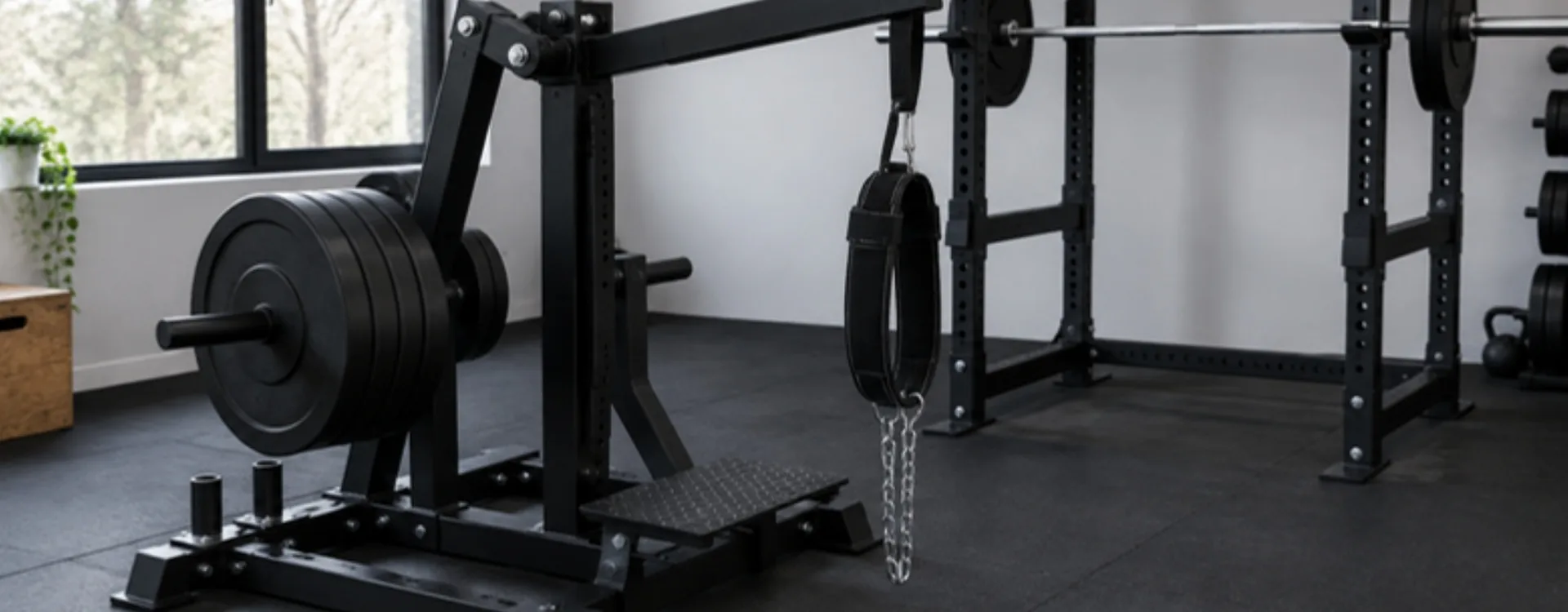
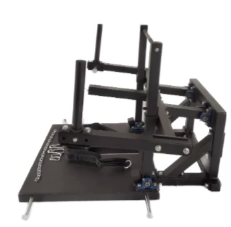
This exercise consists of performing a squat while carrying the load on the hips with the aid of a belt, rather than on the shoulders. This configuration provides an intensive workout for the leg muscles while reducing pressure on the spine and shoulders.
In this article, we'll help you make the right choice.
In short
- Belt squat: the load is carried at the hips by a belt rather than on the shoulders, which reduces stress on the lower back.
- It mainly targets the quadriceps and glutes; the classic squat also works the core and stabiliser muscles.
- The belt squat requires a dedicated machine; the classic squat only needs a barbell and weights.
- The best approach is to combine both: the classic squat for coordination and stabilisers, the belt squat to add volume while sparing your back.
Advantages of the Belt Squat
- Spinal protection:
Unlike the classic squat, the belt squat reduces stress on the lower back. If you suffer from lower-back pain or injury, this is an excellent alternative. - Targeted leg work:
This exercise focuses on the quadriceps and glutes, minimizing intervention by the stabilizing muscles. Perfect for precise muscle focus. - Ease of use:
The belt squat is generally performed on a dedicated machine, making it safer and more accessible for beginners or those training on their own. - Increased training volume:
By sparing your back, you can add more sets and reps without risking overloading your upper body.
Disadvantages
- Less functional: Doesn't reproduce natural, everyday movements like the classic squat.
- Requires a specific machine, which may limit its accessibility.
Belt Squat vs. Classic Squat: how do they compare?
|
Criteria |
Belt Squat |
Classic Squat |
|
Load on the back |
No stress on the back |
Heavy load on shoulders |
|
Target muscles |
Quadriceps and glutes mainly |
Quadriceps, glutes, trunk, stabilizing muscles |
|
Accessibility |
Requires dedicated machine or equipment |
Can be performed with a barbell and weights |
|
Safety |
Safer for beginners or people undergoing rehabilitation |
Requires good technique to avoid injury |
|
Versatility |
Ideal for targeting the legs |
Versatile, involves the whole body |
|
Functional strength |
Less functional |
Improves natural movement and coordination |
Why not combine the two?
The choice between the belt squat and the classic squat doesn't have to be exclusive, as both exercises offer distinct and complementary benefits. Incorporating both into your program can help you achieve different objectives, whether you're looking for overall strength or targeted leg development. Your decision will depend on your specific needs, fitness level and personal preferences, but combining these movements remains the best approach for a complete and balanced workout.
At Uni Strength we offer quality equipment for belt squats and classic squat, to meet all your training needs. Whether you're an experienced athlete or a beginner looking to excel, we have the right equipment to help you achieve your goals. Choose varied, high-performance training today.
To go further in the shop: Athena - Pulleys and Racks, CS-1 Adjustable Pulley for Weight Rack, Power racks.
Frequently asked questions
What is the advantage of the belt squat?
The load hangs from the hips on a belt instead of resting on the shoulders: less stress on the lower back, targeted work of the quads and glutes, and more volume without overloading the upper body.
What are its drawbacks?
Less functional than the classic squat, which reproduces everyday movements, and it requires a dedicated machine.
Do you have to choose between the two?
No: the two exercises are complementary, the classic squat for coordination and stabilisers, the belt squat to spare the back.