
The progressive range of motion method means keeping a fixed load, between 100 and 103 % of your max, and lengthening...
Search in blog
Blog categories
Latest posts
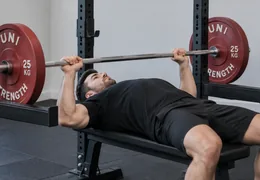
Progressive range of motion: the same bar, an ever longer lift
Read more
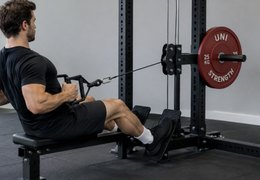
Chest and back: set your elbows and wrists to target the right muscle
Read more
For a chest or back exercise to work the target muscle, first set the direction of your elbows, let your wrists...
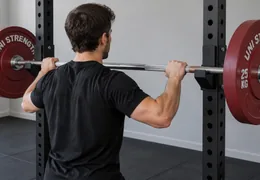
How to set up under the bar for the squat and the bench press
Read more
A stable bar starts before the first rep: center it using body landmarks (sternum, thumbs, ankle bones), lock in your...
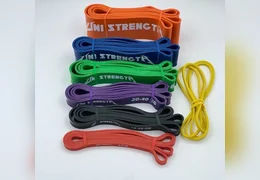
Resistance bands in the home gym: eight uses, from heavy squats to joint care
Read more
In strength training, bands serve eight purposes: making resistance progressive on barbell exercises, lightening the...
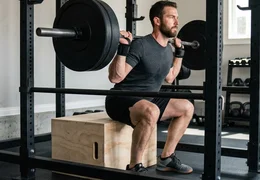
Box squat: technique, box height and programming
Read more
The box squat consists of sitting down on a box placed behind you, staying still for one second without losing your...
Popular posts

Which dumbbell weights should you choose to build muscle mass?
Building muscle mass requires discipline, good nutrition and, above all, a well-structured training program. One of...
Read more

The 8 Best Back Exercises
Strengthening your back is essential, not only for aesthetic reasons, but also for long-term health. A strong back...
Read more

Best exercises to develop your pectorals
Whether for aesthetic reasons or to improve functional strength, effective pectoral training requires a...
Read more

How to choose your resistance bands?
Elastic bands for strength training have become an essential part of the fitness world. Versatile, practical and...
Read more

Kettlebell Squats: Complete Guide
The kettlebell squat is much more than just a variation on the classic squat: it's a frighteningly effective exercise...
Read more
Featured posts
Progressive range of motion: the same bar, an ever longer lift
The progressive range of motion method means keeping a fixed load, between 100 and 103 % of your max, and lengthening...
Read more
Chest and back: set your elbows and wrists to target the right muscle
For a chest or back exercise to work the target muscle, first set the direction of your elbows, let your wrists...
Read more
How to set up under the bar for the squat and the bench press
A stable bar starts before the first rep: center it using body landmarks (sternum, thumbs, ankle bones), lock in your...
Read more
Resistance bands in the home gym: eight uses, from heavy squats to joint care
In strength training, bands serve eight purposes: making resistance progressive on barbell exercises, lightening the...
Read more
Box squat: technique, box height and programming
The box squat consists of sitting down on a box placed behind you, staying still for one second without losing your...
Read more
Photo gallery
No featured images