Free shipping on orders from €300 excl. VAT in mainland France

Reference: DALLEPROT-15
Brand: Uni Strength
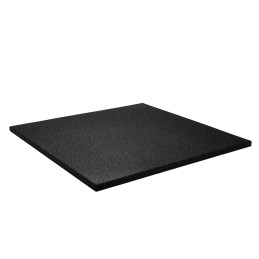
Protect your floor and optimize your workouts with our non-slip rubber tiles. Ideal for weight training and cross-training, these tiles absorb shocks and reduce vibrations, protecting your equipment and limiting noise pollution. Their ultra-resistant double layer (coarse and fine grain) ensures maximum stability for heavy exercises such as squats or...
Reference: UFD0250
Brand: Uni Strength
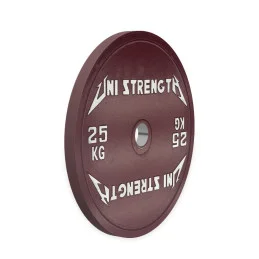
Combine precision and durability with our UF calibrated plates! Our UF calibrated plates are designed for absolute precision, with a weight tolerance of just 10 g thanks to built-in calibration weights. Perfect for both training and competition, these plates comply with IPF color standards, guaranteeing optimal use in all situations. Manufactured from...
Reference: LEGACYDISK1-7
Brand: Uni Strength
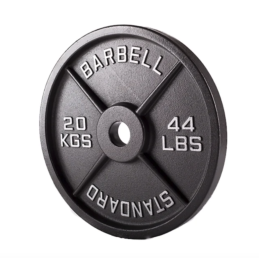
Sturdy, versatile cast-iron Olympic weight-training plates! These cast-iron plates have an Olympic diameter of 50 mm, compatible with all Olympic bars. Their timeless design and raised surface make them easy to grip and identify weights ranging from 1.25 kg to 20 kg. Ideal for heavy loads, they are suitable for athletes of all levels, ensuring durability...
Reference: PoidsOlymP025
Brand: Uni Strength
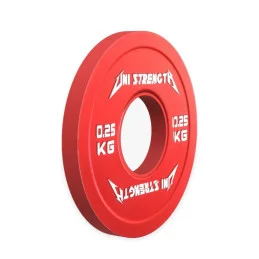
Optimise your training with Uni Strength precision Olympic plates, essential for controlled progression and personal records. These steel plates coated with high-quality rubber offer a strict weight tolerance of +/- 10 grams for optimal accuracy. Available from 0.125 kg to 5 kg with an intuitive colour code, they allow fine adjustments from 125 grams for...
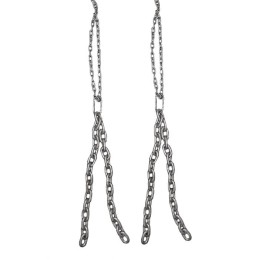
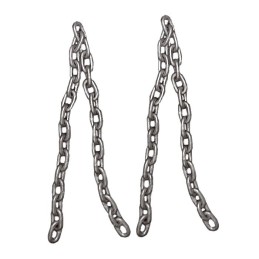
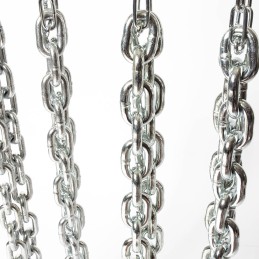
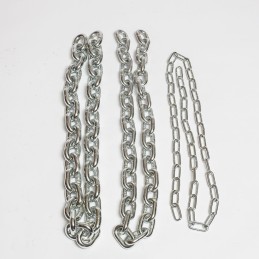
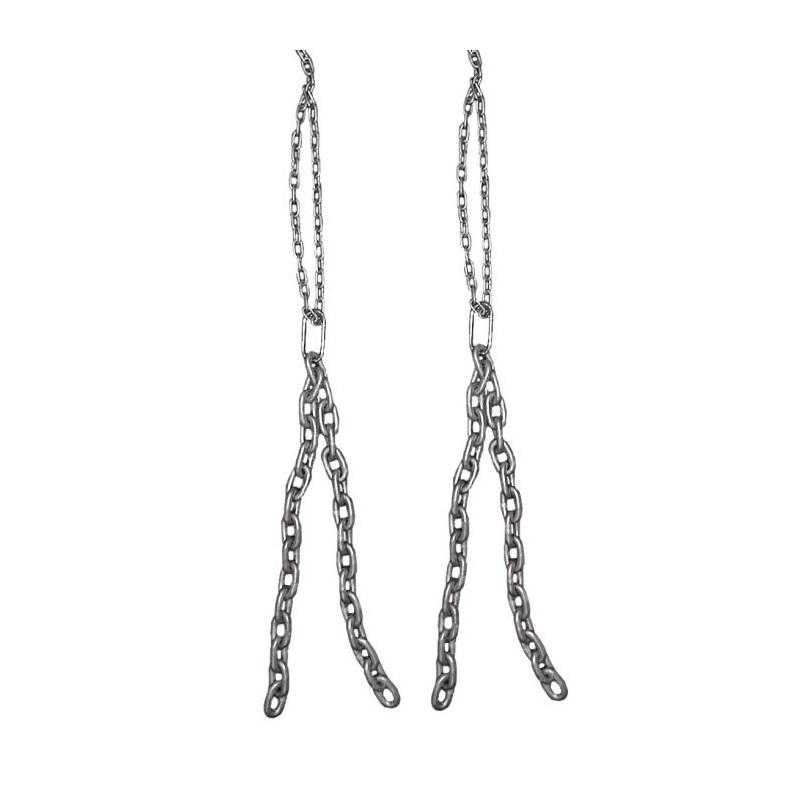
Training chains are a great way to add variable resistance to your workouts, helping to overcome plateaus of progression. Like elastic bands, they modify the resistance curve of your movements. For example, in squats, the load will be lighter at the bottom of the movement and heavier at the top, allowing you to maximise the load in the part where you are strongest.
Chains are particularly useful for exercises such as squats, dips, curls and tricep extensions. By adjusting the load throughout the movement, they encourage more effective muscle work, by adapting the intensity to your strength at each phase. Unlike elastic bands, they offer more progressive resistance and don't lose their effectiveness with wear and tear.
Using chains is simple: as you lift the bar, more links leave the ground, gradually increasing the load. This allows effective overloading without altering the trajectory of the movement, making it easier to plan your sessions and monitor your progress.